The Anxiety Relief Bundle: A Path to Calm
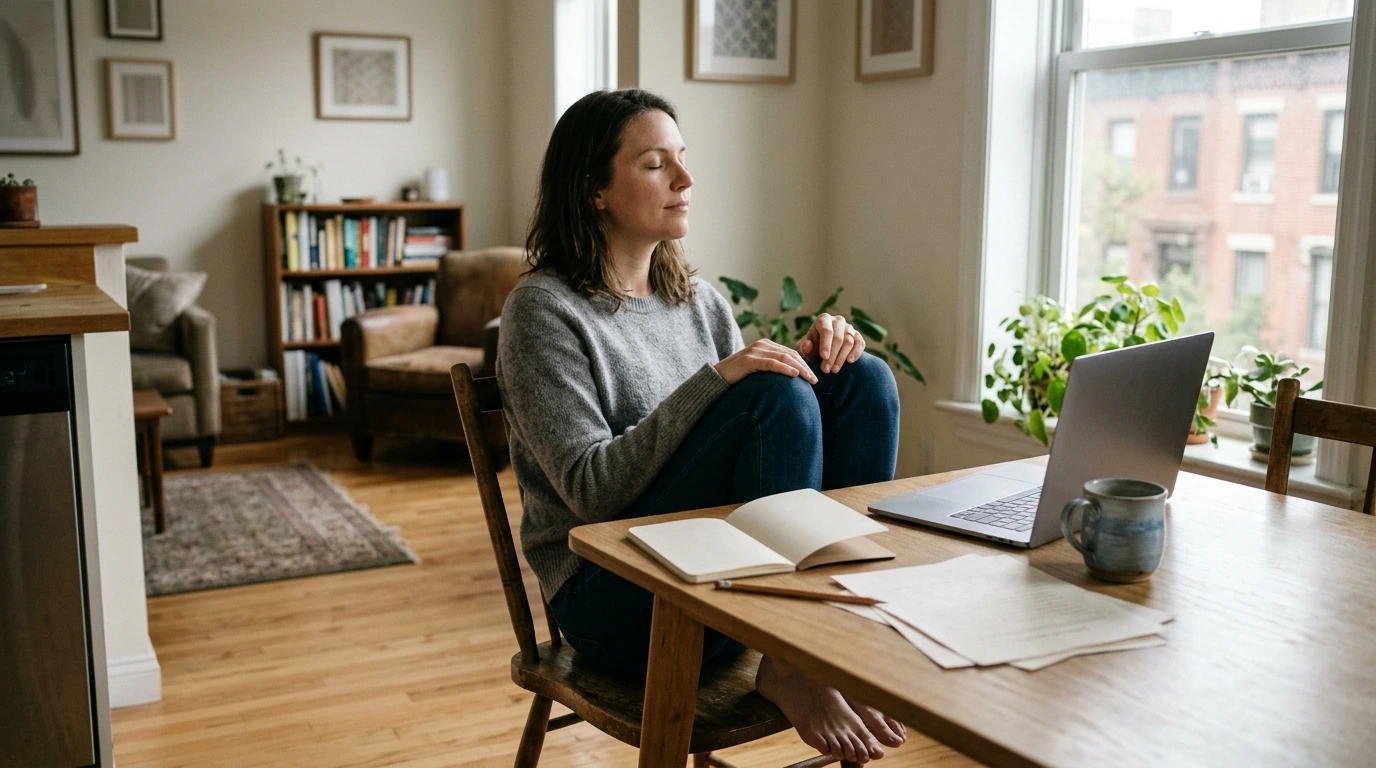
Finding a little room to pause can make a busy day feel more manageable. Our 4-in-1 Anxiety Relief Bundle brings together mindfulness and positive-thinking resources you can use to shape a personal calming routine. It’s a starting point for self-care, not a promise of immediate relief or a cure.
Whether you have a few minutes between tasks or want to set aside regular time for reflection, you can use the components in a way that suits your day. Start small, notice what feels useful, and give yourself permission to change your approach.
What’s Inside the 4-in-1 Bundle
The bundle includes four named components: mindfulness exercises, positive-thinking material, a printable checklist, and a course outline. Each serves a different purpose, so you can choose where to begin rather than trying to do everything at once.
The mindfulness exercises offer a way to pause and pay attention to the present. The positive-thinking material can support reflection on how you interpret a situation. The checklist gives you a place to keep chosen actions visible, while the course outline can help you organize learning over time.
| Component | Possible use |
|---|---|
| Mindfulness exercises | Make space for a brief mindful pause |
| Positive-thinking material | Reflect on a more balanced perspective |
| Printable checklist | Keep chosen self-care steps visible |
| Course outline | Give personal learning some structure |
Make Mindfulness Part of Your Day
A routine is often easier to remember when it has a natural place in your day. You might choose a quiet moment after breakfast, a break between tasks, or a few minutes before you settle in for the evening. Let that moment be a cue to pause, rather than another deadline to meet.
Begin with a short practice that feels comfortable. You might notice your breathing or pay attention to the sounds around you. If focusing on your breath feels uncomfortable, try noticing your feet on the floor or the objects you can see instead. The NHS guide to breathing exercises for stress offers another option to explore.
Some days, you may forget or decide you need a different kind of break. That does not undo your efforts. Return when you’re ready, without criticizing yourself for missing a day.
Use Positive Thinking Without Dismissing Feelings
Positive thinking does not have to mean insisting that everything is fine. It can mean making space for a more balanced thought while acknowledging that a situation feels difficult. You can feel worried and still consider other ways to understand what is happening.
For example, if you catch yourself thinking, “I made one mistake, so I always get things wrong,” you might try, “I made a mistake, and I can decide what to do next.” The alternative does not erase the mistake or force you to feel upbeat. It leaves room for a realistic next step.
When a thought feels too strong to reconsider right away, start by naming the feeling instead. You can return to the question of perspective later, when you feel ready.
Build a Simple Routine With the Checklist and Outline
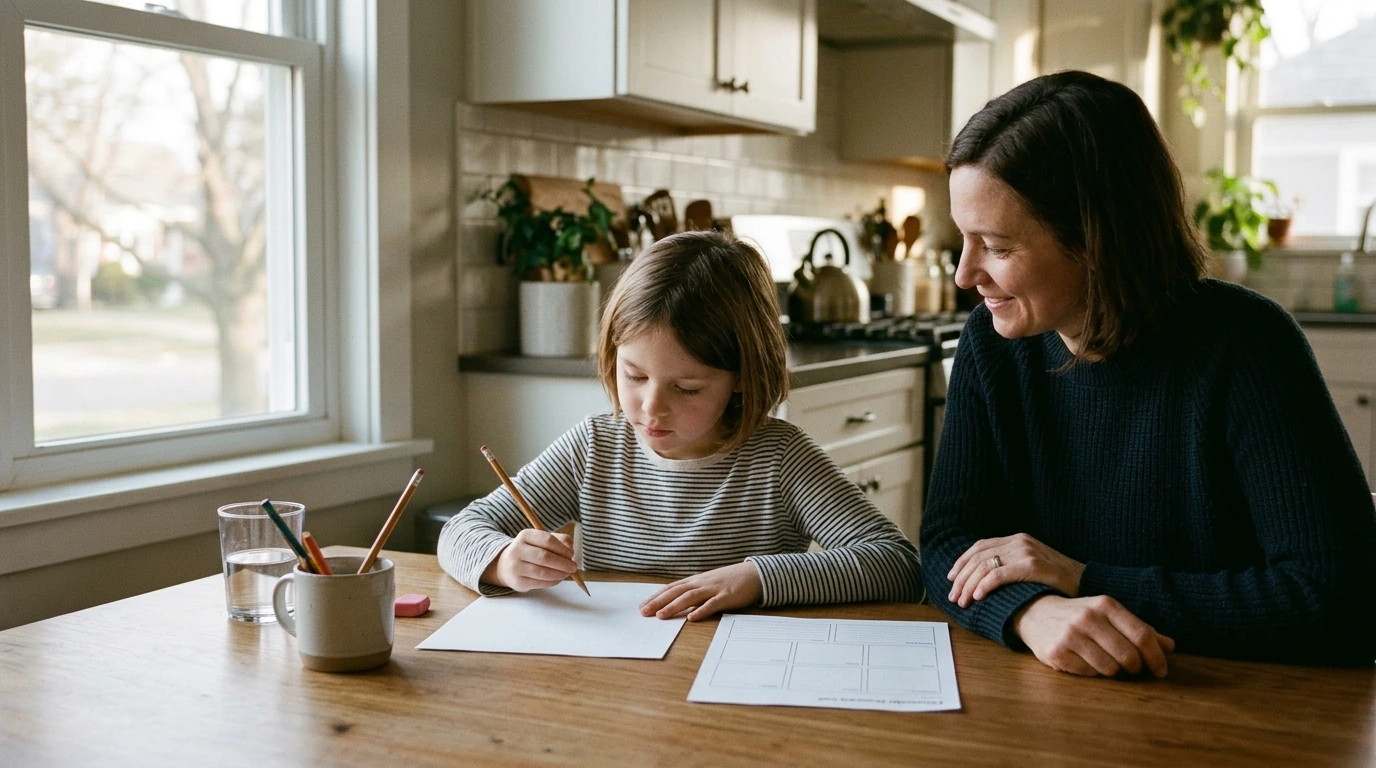
Use the printable checklist to note a few manageable actions you choose for yourself. Those might include taking a brief pause, reflecting on a difficult thought, or setting aside time to learn. Keeping the list short can make it easier to use on a full day.
The course outline can help you decide what to revisit and how to spread your learning over time. You do not have to follow a rigid schedule: move at your own pace and adapt your routine as your needs change. A weekly check-in can be a useful chance to ask which steps still feel supportive.
If you also want a separate resource for organizing everyday goals and routines, our Ultimate Productivity Blueprint offers a broader productivity focus. It is an optional planning resource, not an anxiety treatment.
A Supportive Tool, Not a Substitute for Care
We offer the bundle as a self-help resource. It cannot diagnose anxiety or replace professional assessment or treatment. Self-care can be one part of your support, but you do not have to manage persistent or disruptive anxiety on your own.
If anxiety continues or interferes with your daily life, consider speaking with a qualified health professional. The National Institute of Mental Health’s guide to anxiety disorders explains symptoms and treatment options.
Explore the Anxiety Relief Bundle
Our in-stock The Anxiety Relief Bundle is listed at $106.99. If a combination of reflection, mindfulness, and simple planning fits the way you like to approach self-care, you can explore it and decide whether it belongs in your routine.
FAQ
What immediately calms anxiety?
Slow breathing or grounding through your senses may help you feel calmer in the moment, though results vary. If anxiety persists or disrupts daily life, seek support from a qualified professional.
How can I use the anxiety relief bundle in a daily routine?
Start with a brief mindfulness pause, use the checklist to note a few chosen actions, and return to the course outline at a comfortable pace. Adjust your routine as your needs change.
Can the bundle replace anxiety treatment?
No. The bundle is a self-help resource and does not replace professional assessment or treatment.









Leave a comment