Pet First-Aid Cheat Sheet: Prepare for Emergencies
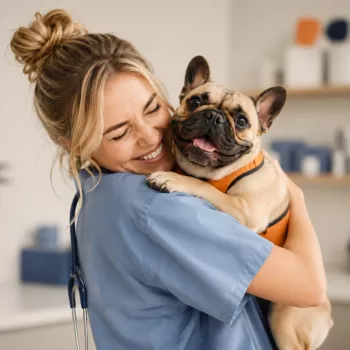
When your pet is hurt or suddenly ill, finding the right phone number should not be another source of stress. A printable first-aid reference, kept alongside your emergency contacts, can help you prepare before you need it.
Our Must-Know Pet First-Aid Cheat Sheet is a practical addition to your emergency plan. First aid supports prompt veterinary care; it does not replace a veterinarian’s diagnosis or treatment.
A quick reference for stressful moments
Emergencies can make even familiar decisions feel difficult. Preparing a few resources ahead of time gives you a starting point when your attention needs to be on your pet. Keep your reference easy to find, and make sure anyone who cares for your pet knows where it is.
We offer the Must-Know Pet First-Aid Cheat Sheet as a printable guide for $7.99. Pair it with your veterinarian’s contact information and a plan for reaching an emergency clinic. Having those pieces together can save you from searching through drawers or phone contacts at a stressful moment.
Preparation also means knowing when not to wait. If your pet is struggling to breathe, collapses, has severe bleeding, or has a seizure, seek urgent veterinary attention. When you are unsure how serious a situation is, call a veterinary professional for guidance.
Prepare your pet emergency contacts
Write down your regular veterinarian’s number and the name, phone number, and address of a nearby emergency veterinary clinic. Save the same information in your phone, including the clinic address for navigation. A paper copy is useful if your phone is unavailable or someone else needs to help.
Add an animal poison control number to both copies. The ASPCA Animal Poison Control Center provides a poison-control contact for pet owners. Keep your pet’s basic details handy, too, including their name, species, approximate weight, medications, and any relevant medical conditions.
Check the emergency clinic’s hours before you need them; not every clinic is open around the clock. Identify an alternative if your nearest clinic is closed. During an emergency, call ahead when possible so the team can advise you and prepare for your arrival.
If you want a separate tool for organizing routines and plans, our Ultimate Productivity Blueprint is a digital productivity guide for goal setting, time management, and daily routines. It is not a pet medical resource, but it can be a place to start when setting aside time to review your preparations.
What to do when an emergency happens
First, protect your own safety. An injured or frightened animal may react unpredictably, so approach carefully and keep your pet as calm as possible. Contact a veterinarian promptly and follow the instructions you receive. If you can call ahead, describe what happened and ask how to transport your pet safely.
For suspected poisoning, contact a veterinarian or animal poison control immediately. Do not induce vomiting unless a professional instructs you to do so. If it is safe, keep the product packaging or other relevant information available so you can share it with the professional you call.
The American Veterinary Medical Association’s pet first-aid resource offers additional guidance on preparing for and responding to emergencies.
A simple emergency response reminder
| Situation | Immediate priority |
|---|---|
| Suspected poisoning | Call a veterinarian or animal poison control; keep the packaging if safe to do so. |
| Difficulty breathing or collapse | Contact an emergency veterinary clinic and arrange urgent transport. |
| Severe bleeding | Seek urgent veterinary help and follow the clinic’s instructions. |
| Seizure | Keep your pet away from hazards and contact a veterinarian urgently. |
These reminders are a starting point, not a substitute for individualized advice. Tell the veterinary team what you have observed and follow their directions rather than delaying care to search for more information.
Keep the guide where it can help
Place a printed copy with your emergency contacts or near your pet first-aid kit. Choose a spot that is accessible to adults in your household, and tell them where to find it. If you travel with your pet, consider keeping the contact details accessible while you are away from home as well.
A second copy can help a pet sitter or another caregiver. Include your own contact information and let the caregiver know which veterinary clinic you use. Discuss how they should reach you, while making clear that they should contact a veterinary professional promptly in an emergency.
Review your plan periodically and update numbers, addresses, medications, and caregiver details whenever they change. Our team recommends checking that everyone who may need the information can find the latest copy.
Add a practical reference to your preparations
Visit the Must-Know Pet First-Aid Cheat Sheet product page to view the printable guide. Keep it as one part of a broader plan: know your contacts, prepare for transport, and rely on professional veterinary advice when your pet needs care.
FAQ
Does a pet first-aid cheat sheet replace a veterinarian?
No. A cheat sheet is a reference for preparation and immediate response; contact a veterinarian for diagnosis and treatment.
What should I do if my pet may have eaten something poisonous?
Contact a veterinarian or animal poison control immediately and keep any packaging available if safe. Do not induce vomiting unless a professional instructs you to do so.
Where should I keep a printable pet emergency guide?
Keep it somewhere easy to reach, such as with emergency contacts or a pet first-aid kit. Consider giving a copy to your pet’s caregivers.











Leave a comment